Explore Los Angeles Small Multifamily Opportunities
May 14, 2026
May 14, 2026
Looking for a Los Angeles property that can do more than one job well? In the luxury small multifamily space, a duplex, triplex, or fourplex can offer a rare mix of refined living, income potential, and long-term flexibility. If you are weighing a move, a lifestyle investment, or a more strategic way to hold real estate in Los Angeles, this guide will help you understand where the opportunity is and what details matter most. Let’s dive in.
Los Angeles is both expensive and renter-heavy, which is a key reason this asset class draws attention. In the City of Los Angeles, the owner-occupied housing rate is 36.0% and median gross rent is $1,933. In Los Angeles County, the owner-occupied rate is 45.9% and median gross rent is $1,954.
That combination creates a practical case for small multifamily ownership. Instead of owning a property that serves only as a residence or only as an investment, you may be able to own something that supports your lifestyle while also generating rental income. For many buyers, that dual role is the real appeal.
Market fundamentals also remain notable. CBRE reported Los Angeles multifamily occupancy at 95.3% in Q1 2026, and Northmarq said apartment demand reached a three-year high in 2025. CBRE also noted that Los Angeles has one of the highest cost-to-buy premiums in the country, which helps support renter demand.
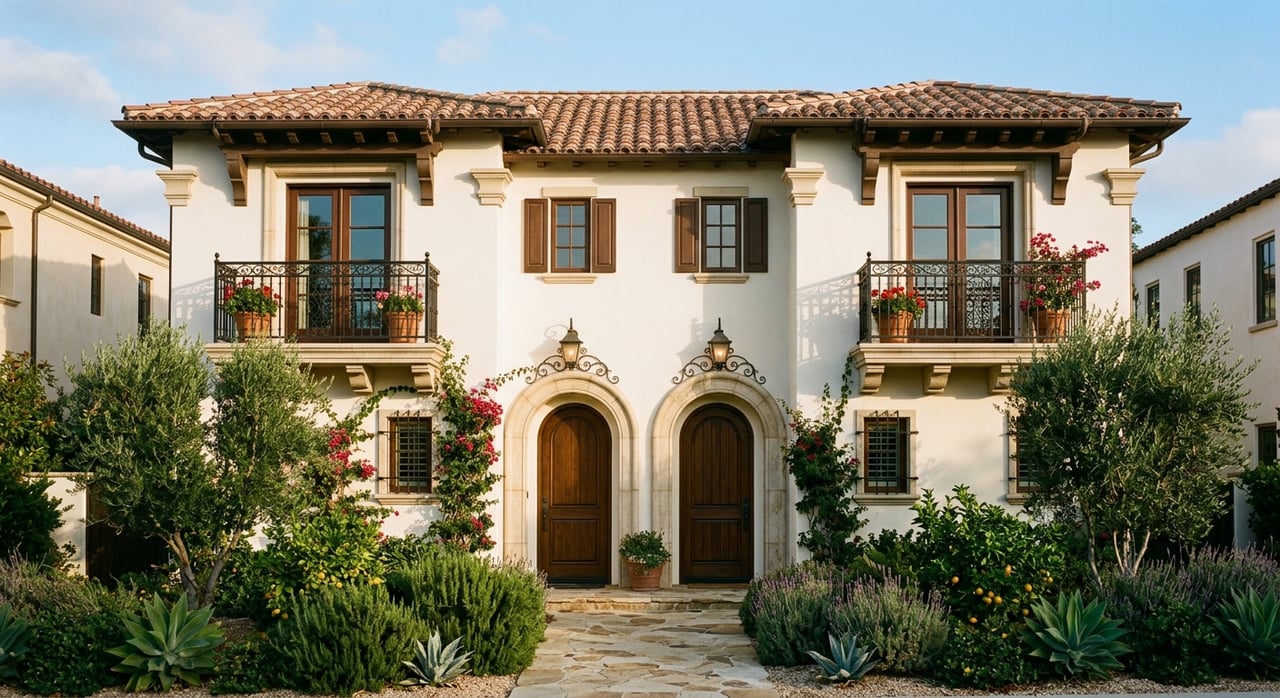
In Los Angeles, small multifamily usually means duplexes, triplexes, and fourplexes. In some cases, it can also include a two-unit property with an ADU or JADU on the same parcel, though that can change the property’s regulatory treatment.
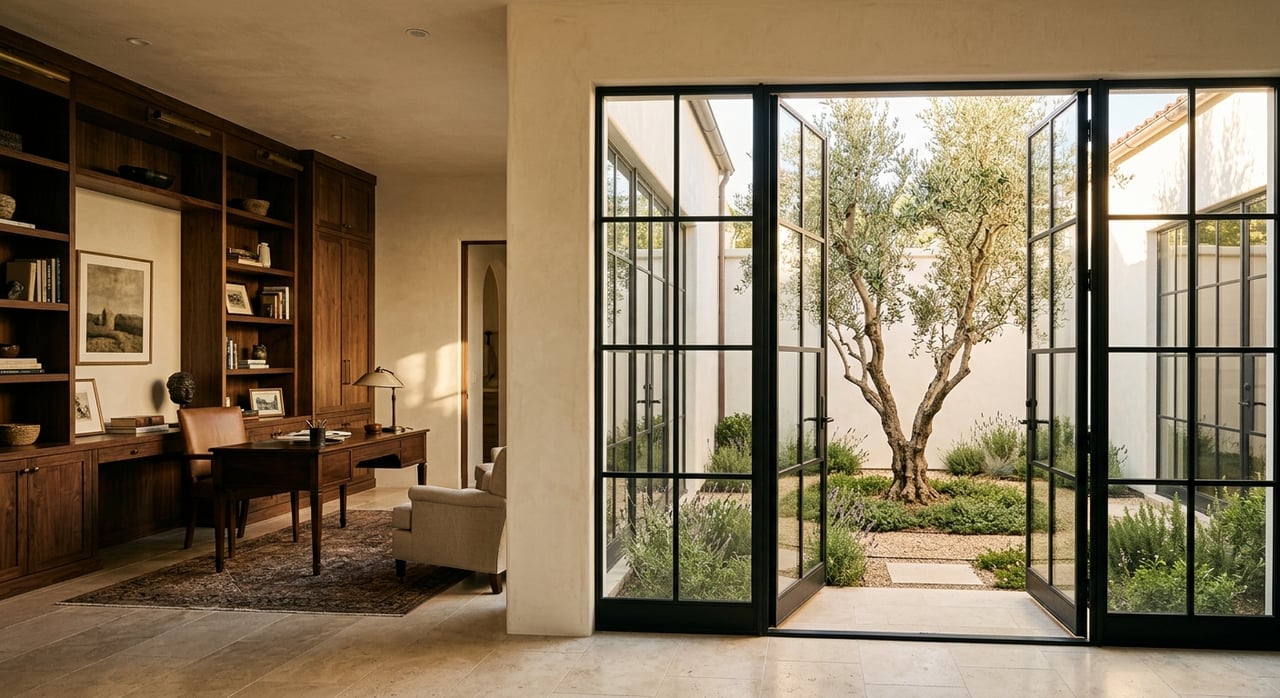
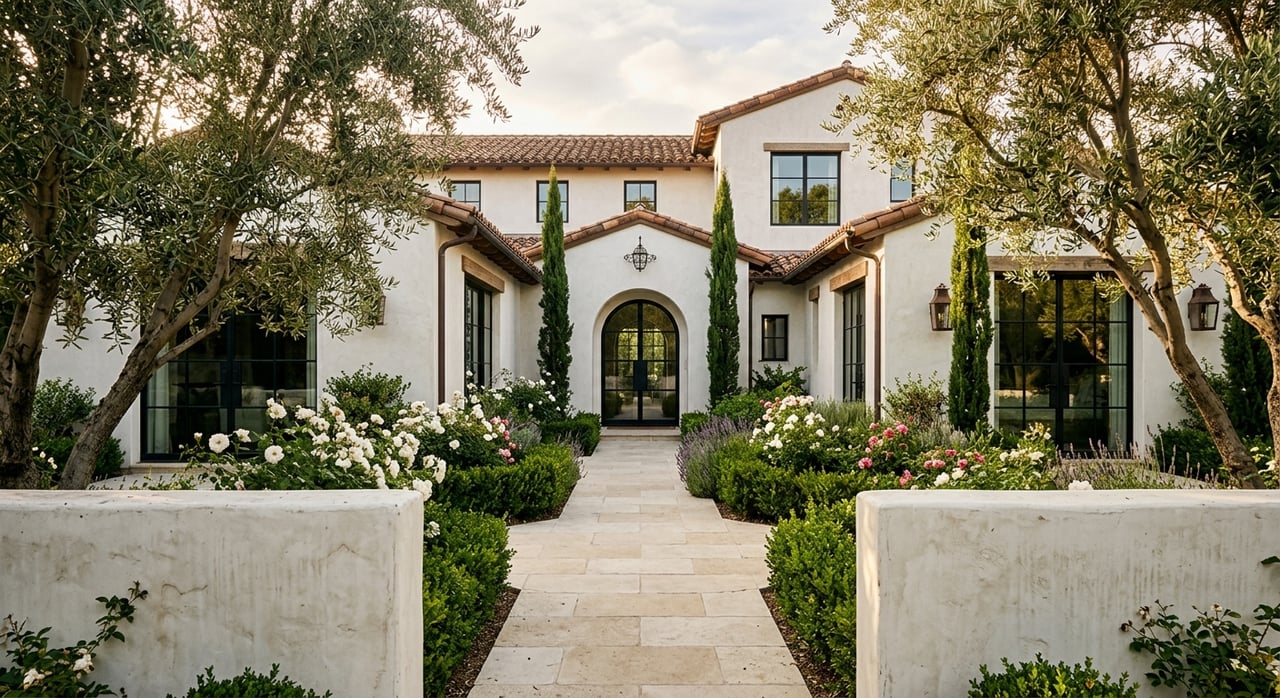
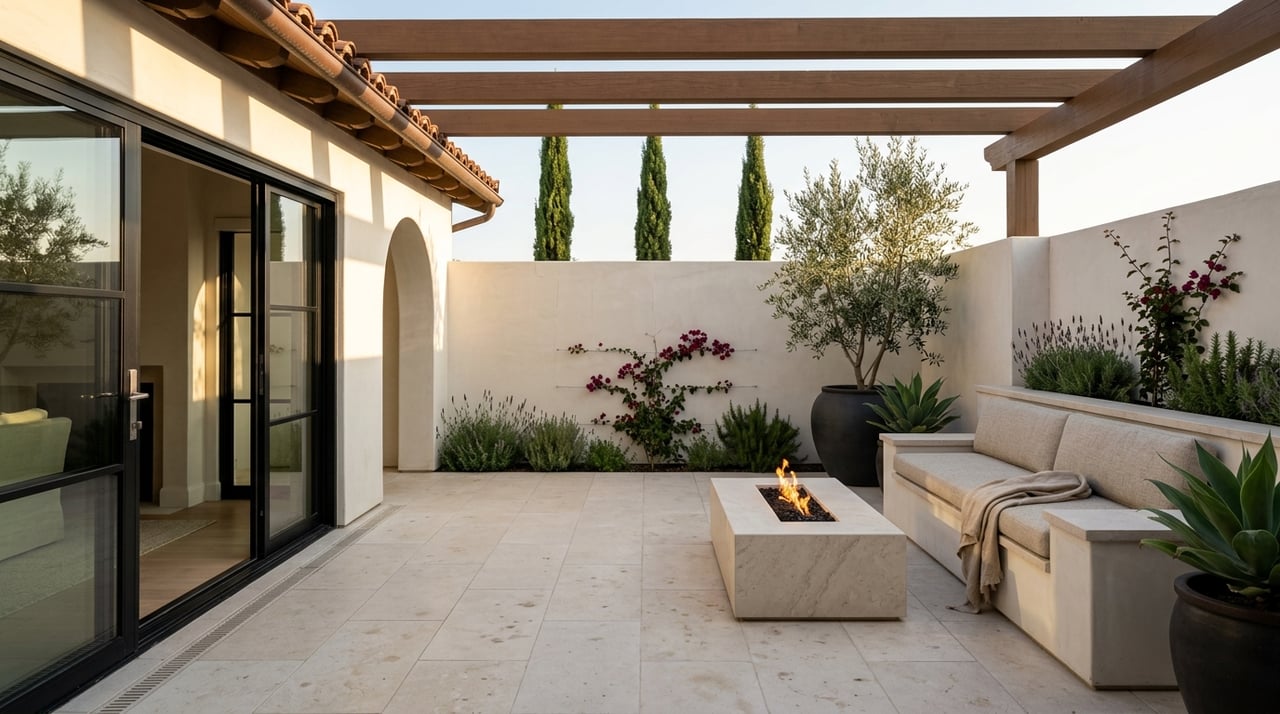
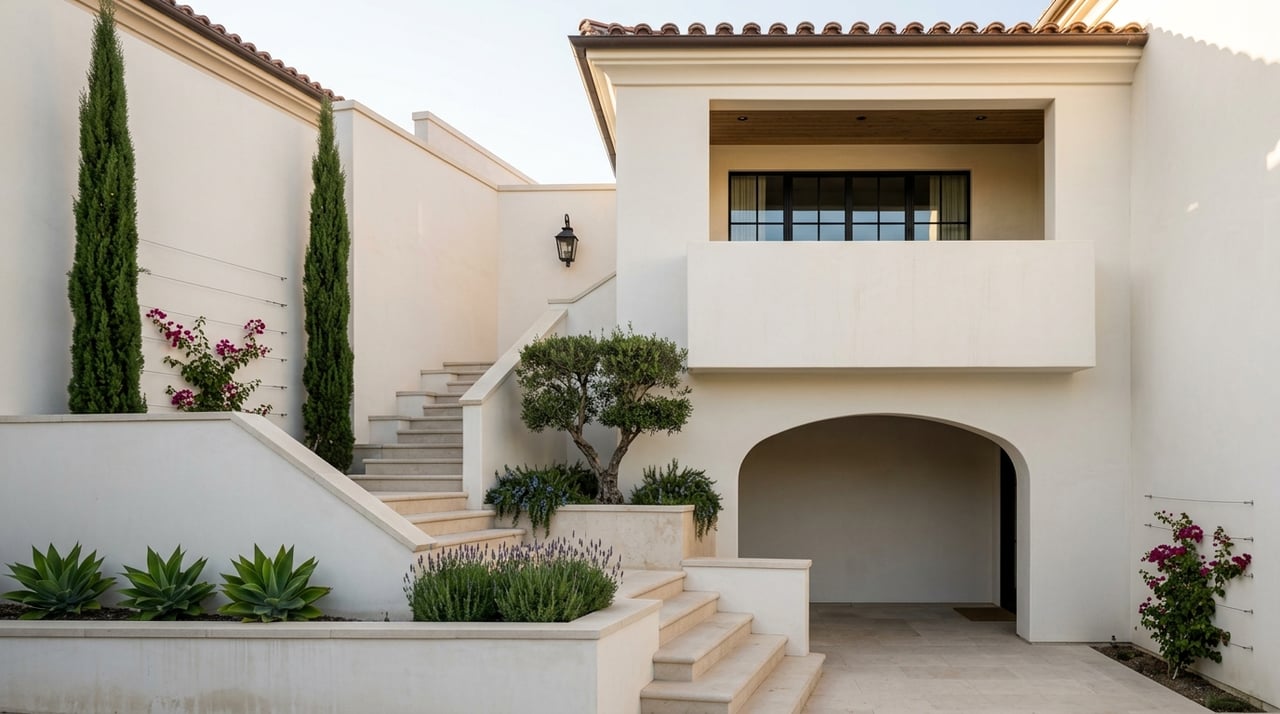
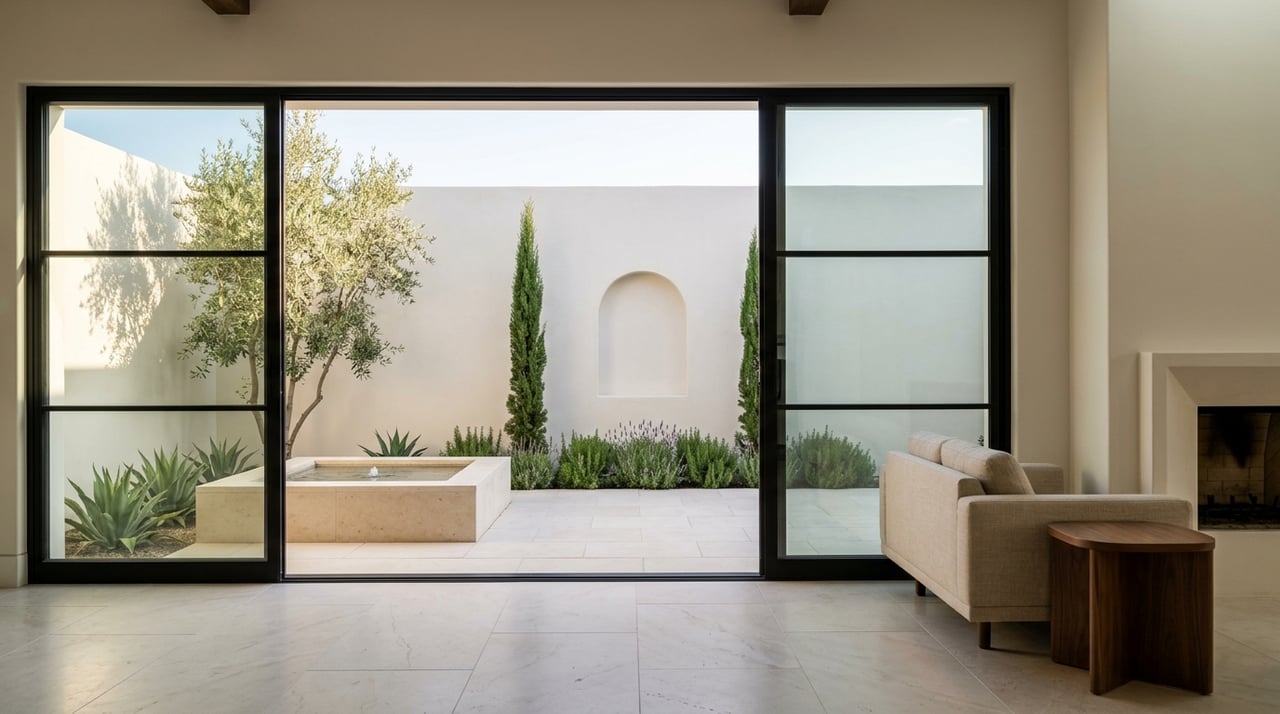
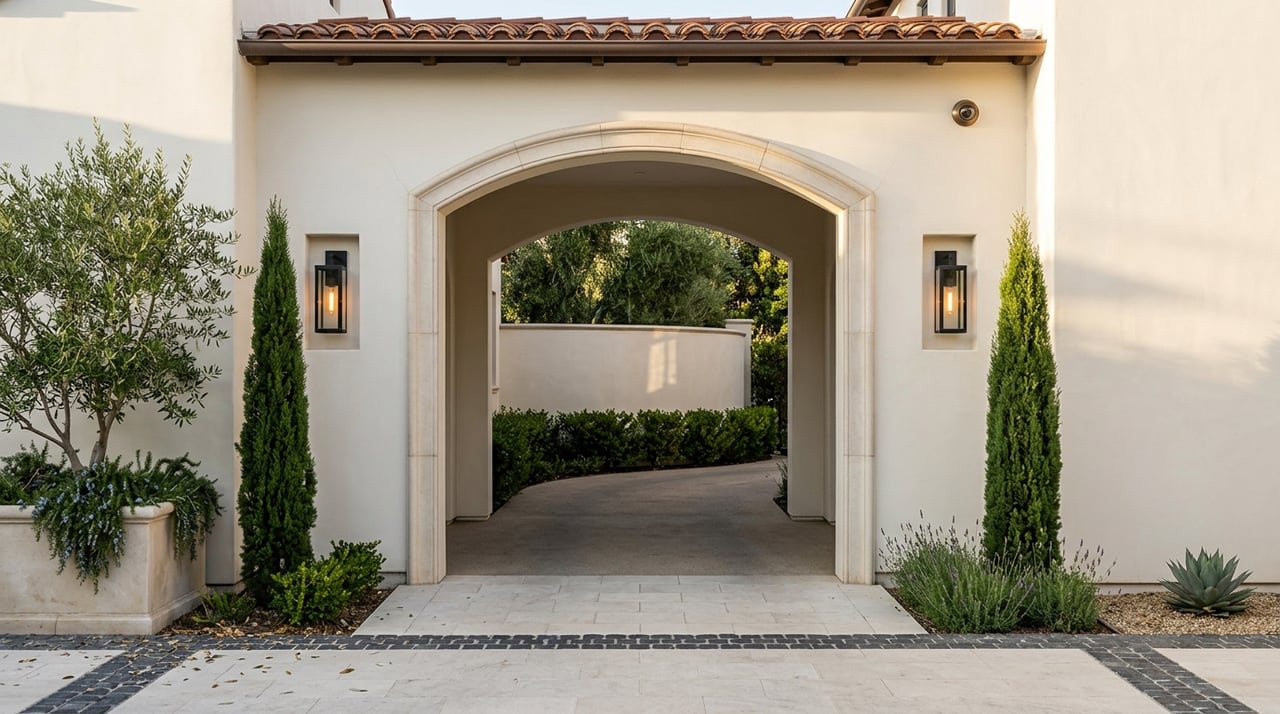
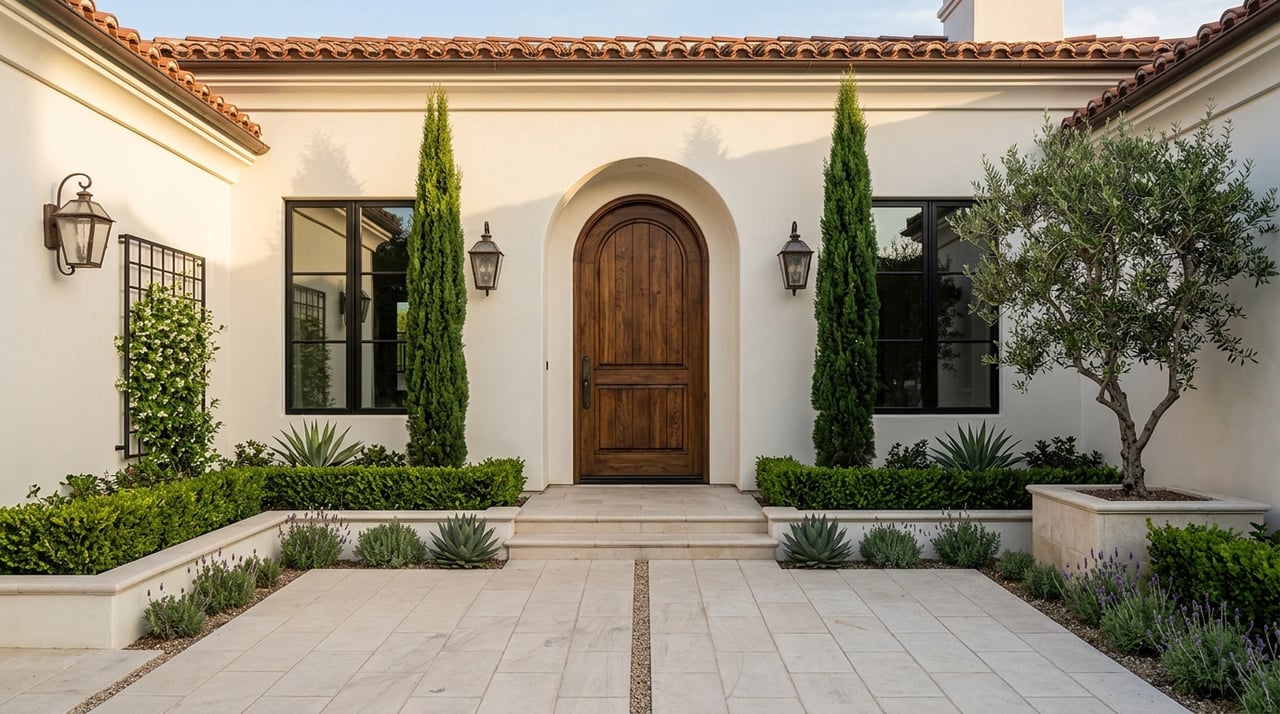
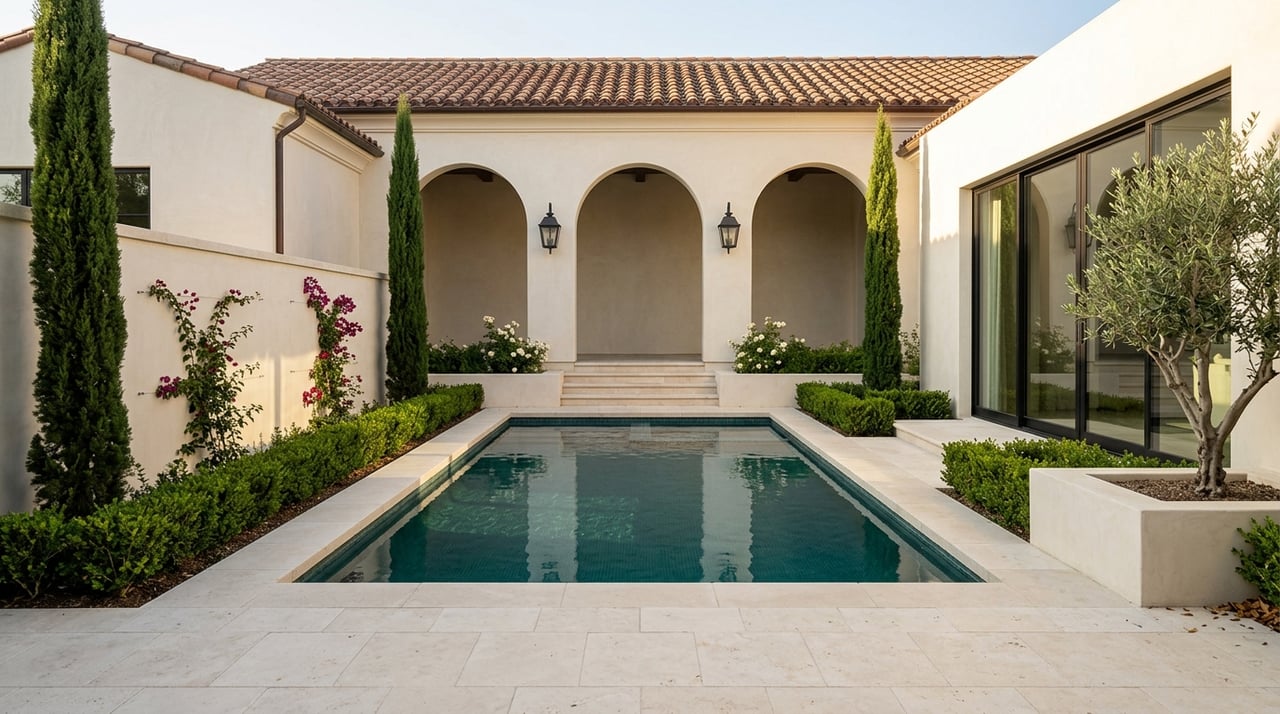
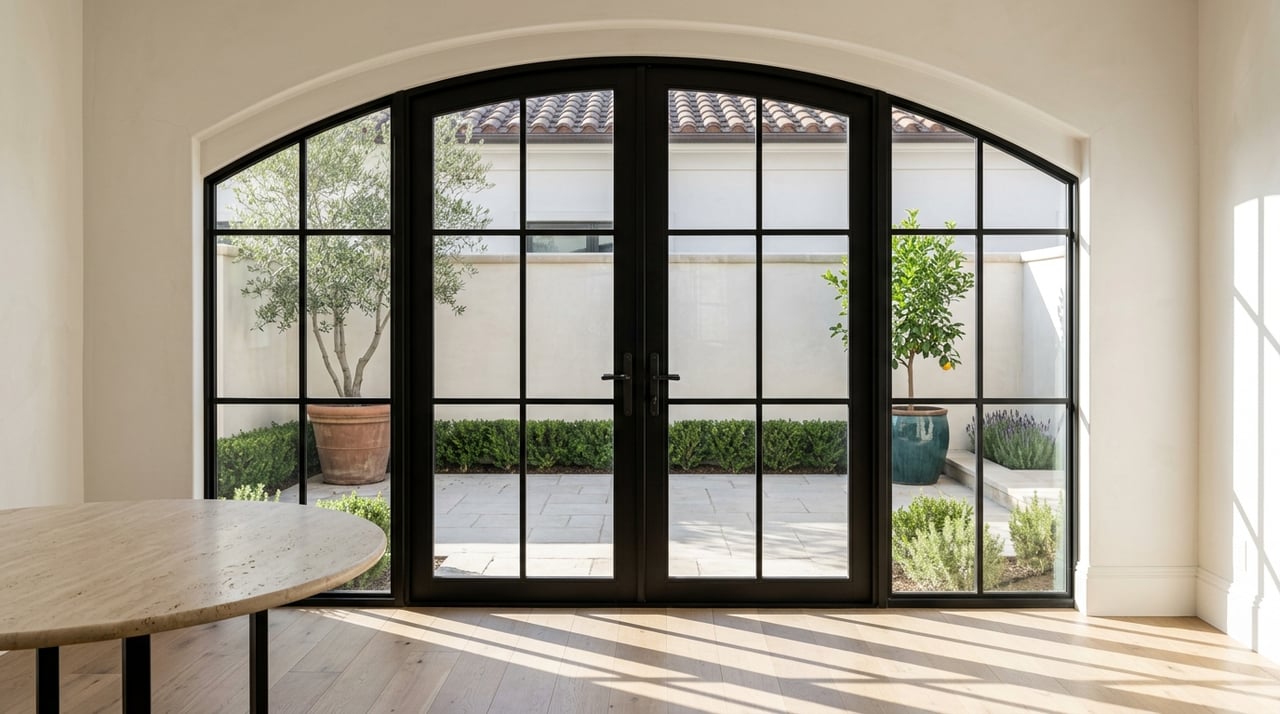
On the luxury end, the draw is usually not about resort-style amenities. Instead, the premium often comes from space, privacy, quality finishes, secure parking, and walkable locations. In stronger submarkets, buyers and renters may pay more for a property that feels more like a private residence than a typical apartment building.
CBRE examples in Larchmont Village and Brentwood help define that upper tier. Features cited included condo-quality finishes, rooftop outdoor space, in-unit washers and dryers, central air conditioning, secure parking, and larger floor plans. In Brentwood, nearly 1,600-square-foot residences were part of the appeal.
Not every Los Angeles neighborhood supports the same rent levels or buyer demand. In luxury small multifamily, location does a great deal of the heavy lifting.
CBRE reported the Brentwood/Westwood/Beverly Hills submarket averaging $3,681 per month with 5% vacancy. Larchmont Village was described as having occupancy above 97% and long-run rent growth above 4% annually on average. These figures do not guarantee performance for any single property, but they do show that well-located westside and central-city submarkets can support stronger pricing than the broader market.
For a buyer, that means the best opportunities are often tied to a specific block, a specific tenant profile, and a specific physical layout. A polished duplex in a prime location may compete very differently than an older fourplex in a less walkable setting, even if both fall under the same broad asset category.
The strongest small multifamily opportunities in Los Angeles often appeal because they solve several problems at once. You may be able to live in one unit, lease the others, and offset part of your monthly housing cost. Or you may hold the entire property as an income-producing investment in a market with durable rental demand.
This is also a compelling option for buyers who want more privacy and more design quality than a large apartment building can offer. Smaller properties often feel more residential, which can attract renters looking for larger floor plans, private outdoor space, parking, and a more discreet living experience.
Based on the market data and property examples in the research, the likely renter pool is mixed. It may include professionals, dual-income couples, downsizers, and smaller households that value convenience, privacy, and layout quality.
In Los Angeles, the opportunity is real, but so is the need for careful due diligence. The legal framework around rent regulation, tenant protections, and accessory units can materially affect value and strategy.
Inside the City of Los Angeles, Rent Stabilization Ordinance coverage generally depends on both property age and property type. According to LAHD, units built on or before October 1, 1978 are generally subject to the RSO, and covered property types can include duplexes, multiple single-family units on the same parcel, condos, townhomes, ADUs, and JADUs.
LAHD also states that the current annual allowable RSO increase is 3% effective July 1, 2025 through June 30, 2026. That matters because luxury upgrades do not remove a property from RSO coverage. The main questions are the building date and how the property is configured.
For non-RSO units in the city, LAHD says the Just Cause Ordinance covers most residential properties that are not regulated by the RSO. In plain terms, a property can be beautifully renovated and still remain subject to local tenant protections.
Accessory dwelling units can add flexibility, but they also add complexity. LAHD notes that ADU and JADU treatment depends on the original structure, the construction date, and how the accessory unit was created.
That means an ADU is not just a design or income decision. It can affect compliance, monetization strategy, and even whether a property falls under specific city rules. LAHD also says home-sharing is not allowed in RSO units, which can limit short-term rental plans for older covered properties.
State law adds another layer. California Civil Code 1947.12 caps annual increases at 5% plus CPI or 10%, whichever is lower, with certain exclusions.
Some of those exclusions are highly relevant for small multifamily buyers. They include a duplex where the owner occupied one unit as a principal residence at the beginning of the tenancy and continues to live there, as well as housing issued a certificate of occupancy within the previous 15 years. The California Attorney General also notes that duplexes where the owner is living in one unit are excluded from the Tenant Protection Act while that owner occupancy continues.
This is one reason the same neighborhood can contain very different opportunities. A newer owner-user duplex may operate under a different practical framework than an older fully regulated investment property.
Financing can be one of the biggest decision points in this category. If you plan to occupy one of the units, your options may be broader than they would be for a pure investment purchase.
HUD says FHA financing can be used on one- to four-unit properties, with a down payment as low as 3.5% of purchase price. FHA financing is limited to owner-occupied principal residences, and for three- and four-unit properties it requires self-sufficiency rental-income testing.
Freddie Mac also states that rental income from other units can be counted in debt-to-income calculations for two- to four-unit owner-occupied properties. That can make the numbers more workable for a buyer who wants both a residence and an income stream.
For investors, leverage is tighter. Freddie Mac’s current LTV chart shows a maximum 75% LTV for two- to four-unit investment-property purchases and a 70% LTV limit for two- to four-unit investment-property cash-out refinances. The broader takeaway is simple: small multifamily is financeable, but underwriting becomes more investment-focused as unit count rises.
The most attractive properties are not always the easiest to pencil. You need to look beyond the finishes and the address.
A thoughtful review should include:
For three- and four-unit purchases, reserves and rental-income testing become more important. Even when rental income can be counted, lenders may still apply conservative standards.
Luxury small multifamily can offer strong resale appeal, but not every asset will attract the same buyer pool. Regulation, financing structure, and tax friction can all influence your exit.
CBRE reported that a Brentwood luxury multifamily sale drew five offers and closed to an all-cash, non-contingent buyer. A Larchmont Village sale generated 11 offers in 45 days. These examples suggest that premium, well-located assets can attract serious demand.
Still, your eventual buyer may look very different depending on the property. A newer owner-user duplex may appeal to one set of purchasers, while an older regulated building may appeal to a more specialized investor. That difference can affect price, speed, and negotiation strategy.
If your property is in the City of Los Angeles, transfer taxes deserve attention early in your planning. The city’s Office of Finance says the base real property transfer tax is 0.45%.
Measure ULA adds an additional transfer tax on conveyances in the City of Los Angeles when the value exceeds $5 million. For luxury small multifamily in prime submarkets, that exit cost can be meaningful. In some cases, it may influence hold period strategy as much as projected rent growth.
At a high level, the best opportunities tend to combine three things: a desirable location, a layout that supports privacy and livability, and a regulatory profile that matches your goals. A beautiful building alone is not enough.
If you are comparing options, focus on these questions:
This is where nuanced guidance matters. In a market like Los Angeles, two properties with similar asking prices can have very different risk profiles, financing paths, and long-term upside.
For buyers who want a more strategic approach, luxury small multifamily can be one of the most interesting categories in Los Angeles real estate. It can function as a home, an income-producing asset, and a long-range wealth play all at once, but only if the numbers, regulations, and design fundamentals work together.
If you are considering a duplex, triplex, or fourplex in Los Angeles and want a sharper lens on value, regulation, and positioning, Lena Ghezel offers discreet, finance-savvy guidance tailored to complex luxury purchases and investment decisions.
Stay up to date on the latest real estate trends.