Corona Del Mar vs Newport Coast: How to Choose Your Home
March 24, 2026
March 24, 2026
Trying to choose between Corona del Mar and Newport Coast? You are not alone. Both offer iconic coastal living, yet the day-to-day experience can feel very different. In this guide, you will get a clear, side-by-side look at lifestyle, pricing snapshots, beach access, HOA considerations, and a quick scoring framework to help you decide faster and with confidence. Let’s dive in.
Corona del Mar sits within Newport Beach and centers on a walkable village core with a small-town rhythm, boutiques, cafés, and garden landmarks that anchor daily life. The neighborhood’s Corona del Mar overview highlights scenic bluff viewpoints and tide pools that give the area its signature coastal charm. For sand time, you have Big Corona at Corona del Mar State Beach and the sheltered coves and tide pools at Little Corona.
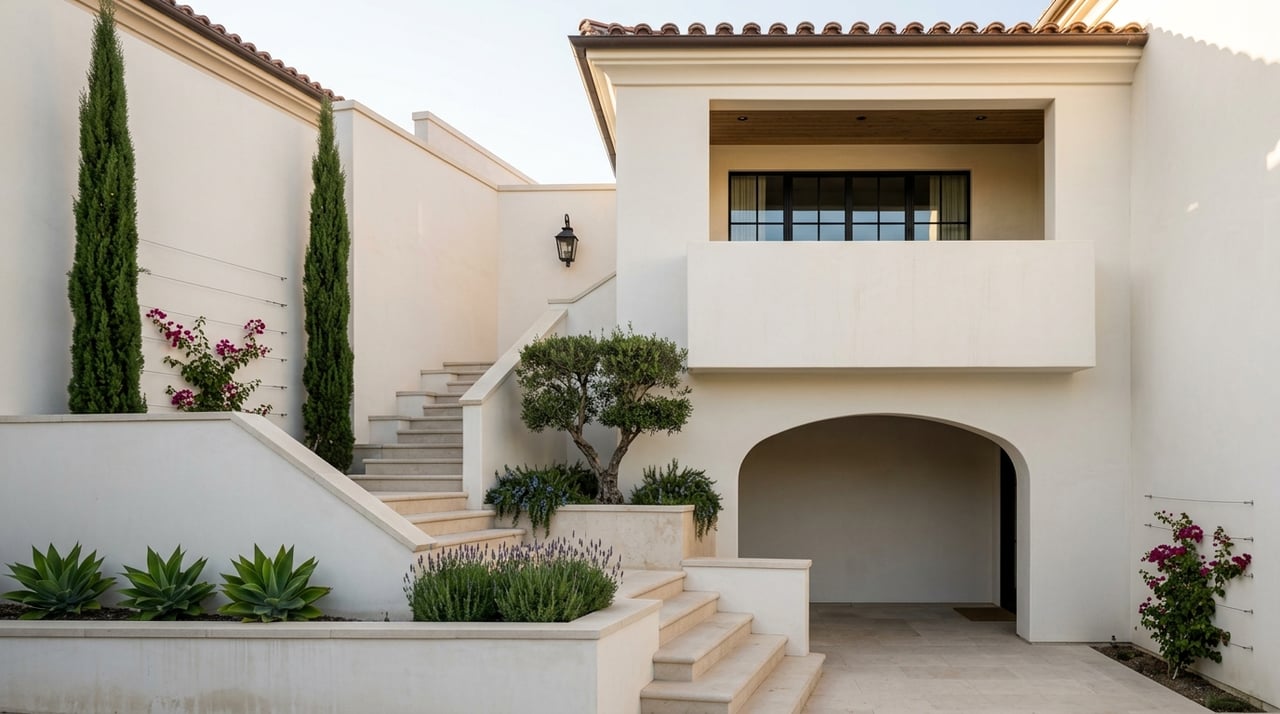
You will find a mix of older beach cottages, Spanish and mid-century homes alongside many luxury rebuilds on smaller village lots. The flower-street grid supports walkable living, while pockets with harbor or bluff views tend to feature larger, higher-value properties. The village’s scale creates a social, street-level vibe and convenient access to daily amenities.
If you value walking to dinner, catching sunset from a bluff lookout, and being minutes from the sand, CdM is a strong match. The area suits buyers who want charm and convenience in an upscale coastal village setting.
Newport Coast rises in the San Joaquin Hills above Crystal Cove, with a master-planned design that emphasizes privacy, open space, and protected view corridors. The area’s development history reflects an Irvine Company plan for low-density, luxury enclaves and HOA stewardship. For a high-level context, see Newport Coast’s background. Coastal access often means panoramic overlooks and proximity to Crystal Cove State Park, with long stretches of beach and tide pools below the hills.
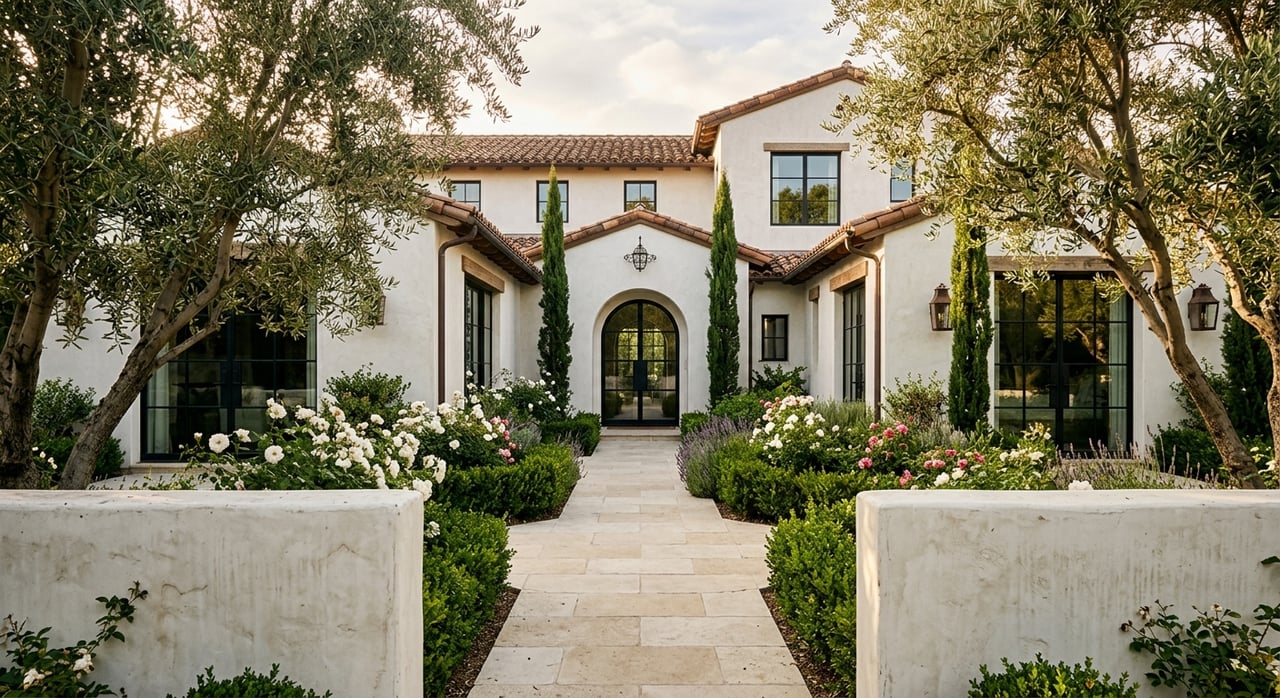
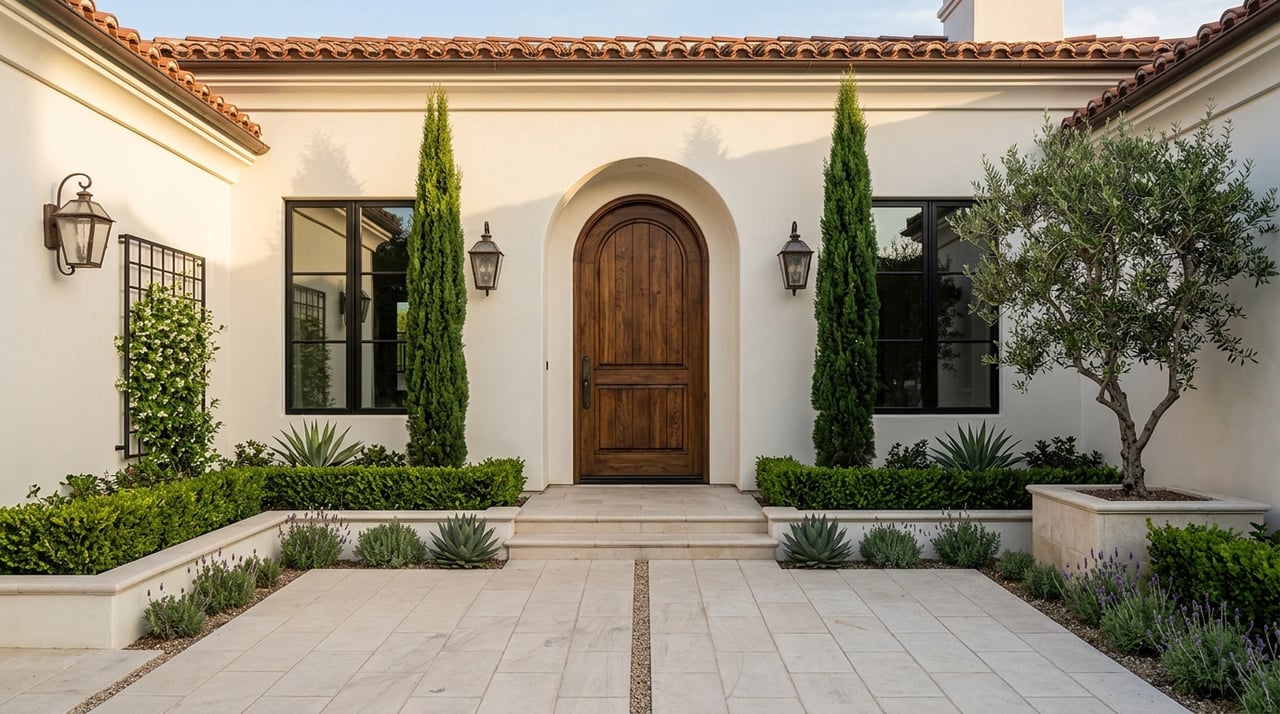
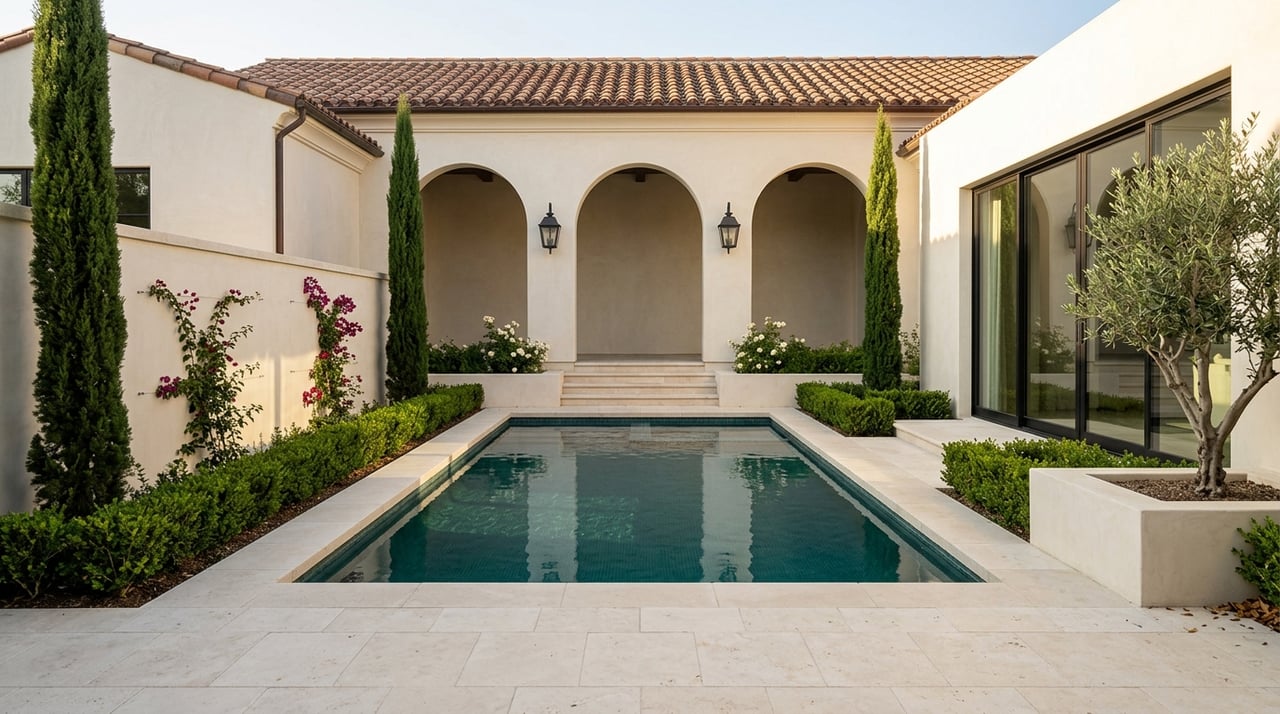
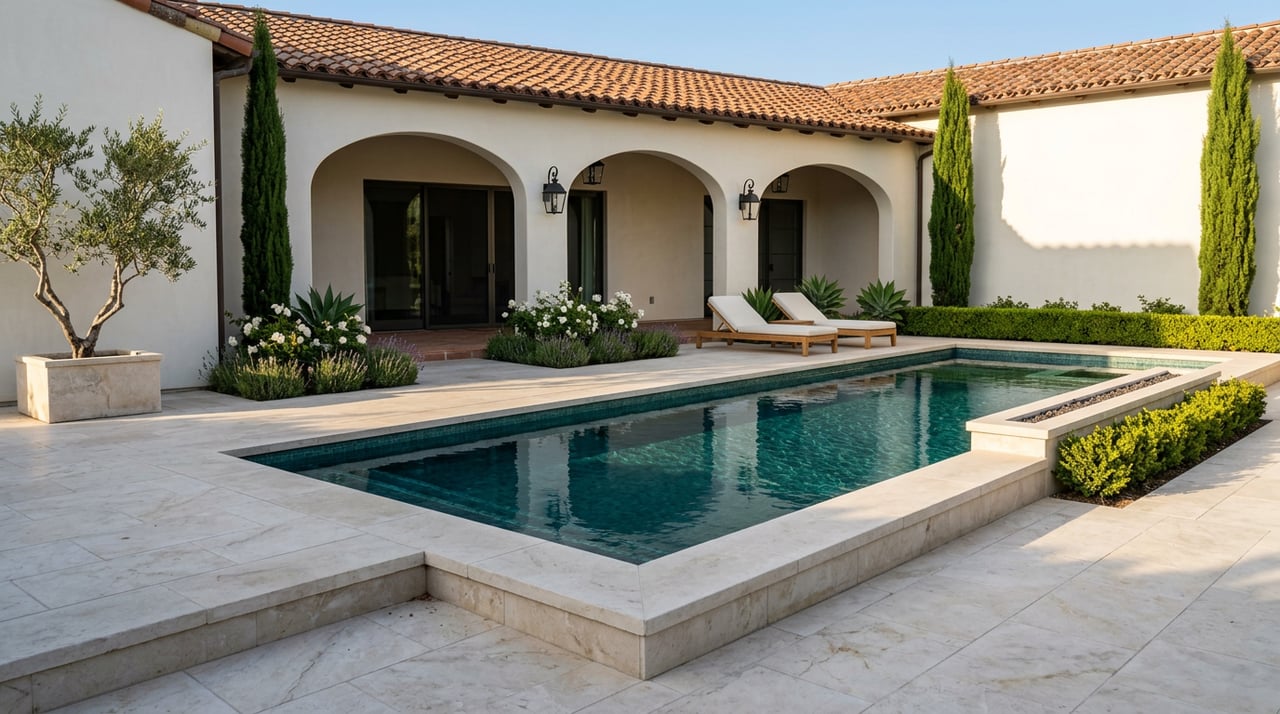
Expect guarded and semi-guarded communities, resort-scale estates, and villas with expansive indoor-outdoor living and strong architectural cohesion. Signature enclaves surround golf and resort venues such as Pelican Hill, adding spa, dining, and club-style options to your daily routine. Larger lots and formal entries are common, along with HOA design oversight that keeps the streetscape polished.
If privacy, security, hillside views, and a quiet residential environment top your list, Newport Coast aligns well. The lifestyle edges toward resort living with structured community standards and less village bustle.
CdM’s village blocks put dining, coffee, and errands within a short stroll, creating a distinct neighborhood rhythm. Many Newport Coast enclaves are intentionally low-density and feel more car dependent, especially behind guard gates and across hills. Because walkability varies by exact address, check block-level measures and on-the-ground routes for any property you are considering.
CdM offers immediate access to coves and bluffs, including Corona del Mar State Beach, which is ideal for a quick swim or a sunset walk. Newport Coast frames the coastline from above with broad panoramas and direct adjacency to Crystal Cove State Park; some homes are within walking distance to historic areas, while many sit on hillsides where you will drive or take stairs to reach the sand. If “sand underfoot” is a must, verify the parcel’s elevation and the pedestrian route.
CdM’s village offers a concentrated mix of boutiques and cafés and a neighborhood market energy. Newport Coast leans into private club and resort venues, residential quiet, and tidy streets. Fashion Island, a regional luxury retail hub, is a short drive from both neighborhoods.
Recent zip-level snapshots indicate different price structures. For 92625, Corona del Mar’s median listing has been reported around the 4–5 million range in recent reports. For 92657, Newport Coast’s median listing values tend to be significantly higher, often into the multi-million to double-digit-million range. Treat these as directional markers and verify current figures on the MLS at the moment you plan to transact.
Price per square foot in both areas can swing widely by micro-location, especially for oceanfront, bluff, or prominent view corridors. Newport Coast often posts higher medians due to estate-scale homes and tighter for-sale counts, while CdM sees more variety across cottages, rebuilds, townhomes, and harbor or bluff pockets. If resale in three to five years is important, compare turnover and days on market within your exact price band.
Both areas sit within the City of Newport Beach and share coastal planning considerations. The City’s Local Coastal Program discusses sea-level rise, beach width sensitivity, and bluff retreat as part of long-term policy work. You can review the City’s statements in Appendix A on Sea Level Rise.
For parcel-level risk views and future scenarios, start with NOAA’s Sea Level Rise Viewer and related mapping tools referenced by agencies. An overview of these resources appears in a NOAA information page. Lenders and insurers often rely on FEMA flood maps and private market products to set requirements and premiums.
Practical steps for coastal addresses:
Use this quick checklist to clarify priorities. Give 1 point for “Yes” and 0 for “No.” The higher your score under a heading, the better the fit.
If you picture morning coffee and an evening stroll to dinner, CdM’s village streets and cove access will likely feel like home. If you want privacy, view protection, and a refined, resort-caliber environment, Newport Coast checks those boxes. The right choice aligns with how you live day to day, your appetite for HOA structure, and your investment horizon.
When you are ready to compare specific addresses, private resale data, and design or renovation angles that can shift value, connect with Lena Ghezel for a tailored search and discreet guidance.
Stay up to date on the latest real estate trends.