A Guide to Newport Beach Luxury Homes Architecture
June 4, 2026
June 4, 2026
If you have spent time touring luxury homes in Newport Beach, you have probably noticed something right away: there is no single look that defines the market. A bayfront contemporary with walls of glass can feel worlds apart from a cottage on Balboa Island or a Mediterranean-inspired estate in Newport Coast. That variety can be exciting, but it can also make it harder to understand what you are really seeing and how architecture shapes daily living. In this guide, you’ll get a clear look at the style families that define Newport Beach luxury homes, where they tend to appear, and why local design rules matter so much. Let’s dive in.
Newport Beach is made up of distinct coastal enclaves, including Balboa, Balboa Island, Lido Isle, Corona del Mar, Newport Coast, and the harbor islands. Because each area has its own setting, street pattern, and relationship to the water, luxury homes often develop different architectural personalities from one enclave to the next.
City planning also plays a major role in how homes look and function. Local standards emphasize view corridors, structure mass, open space, third-floor step-backs, covered decks, and waterfront design criteria for piers and floats. In practical terms, that often leads to homes with terraces, roof decks, courtyards, and layered outdoor areas instead of oversized box-like forms.
Another important point is that Newport Beach architecture is often hybrid rather than pure. Many homes blend contemporary planning with coastal, classical, or Mediterranean references, while older districts still retain clearer historic identities. That mix is part of what makes the market feel both polished and highly local.
Contemporary coastal modern is one of the strongest style categories in Newport Beach luxury real estate today. You will often see open-concept layouts, expansive glass, rooftop decks, and strong indoor-outdoor flow designed to capture light, breezes, and water views.
This style is especially compelling in waterfront settings. Recent Newport Beach homes highlighted in local coverage have featured bayfront pools, docks, rooftop entertaining areas, and glass walls that connect great rooms to patios and terraces. The goal is usually openness, clean sightlines, and a direct relationship between the home and its setting.
Day to day, these homes often feel airy and flexible. Outdoor living becomes part of the floor plan, whether that means a roof deck for sunset views or a courtyard that adds privacy without sacrificing openness. For buyers who want a turnkey, design-forward property, this style often checks the right boxes.
Newport Coast is one of the strongest references for newer homes and more contemporary interpretations of luxury design. Select bayfront and oceanfront custom homes in Newport Beach also lean modern, especially when the architecture is built around glass, decks, and broad water views.
Harbor-front properties are another natural fit. In these locations, architecture often responds directly to the shoreline, with outdoor rooms, dock access, and upper-level vantage points shaping the overall design.
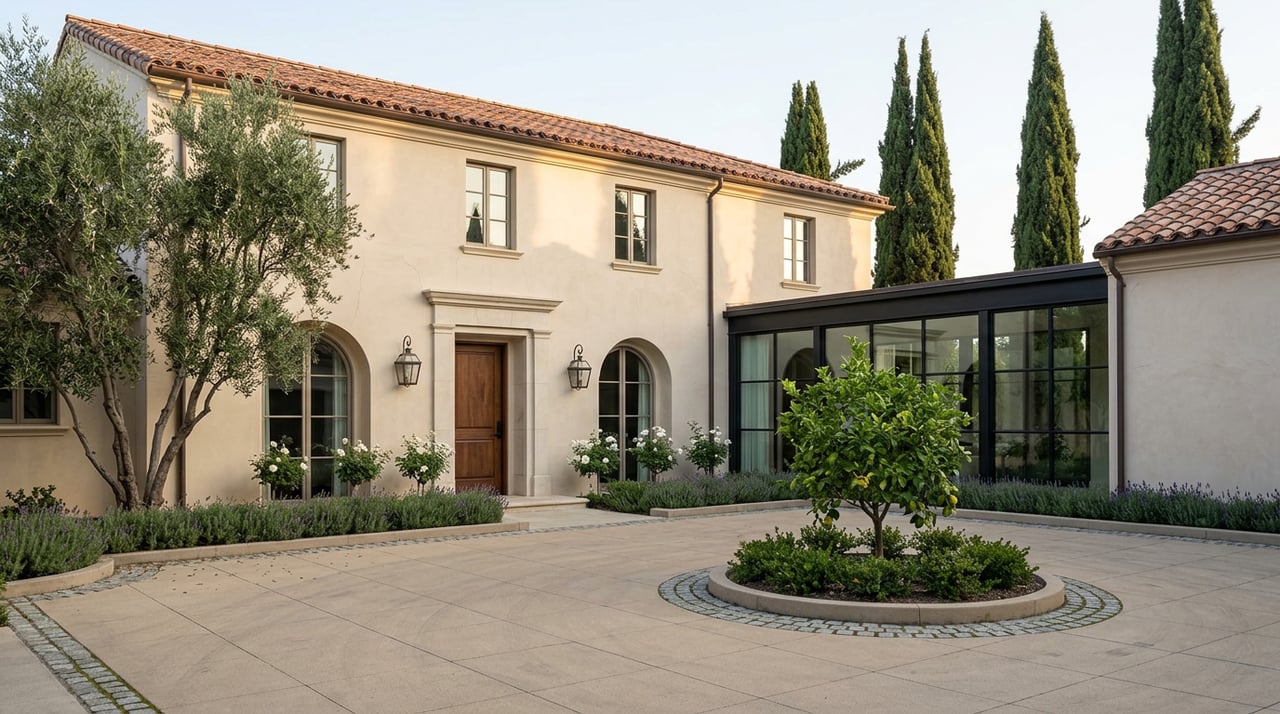
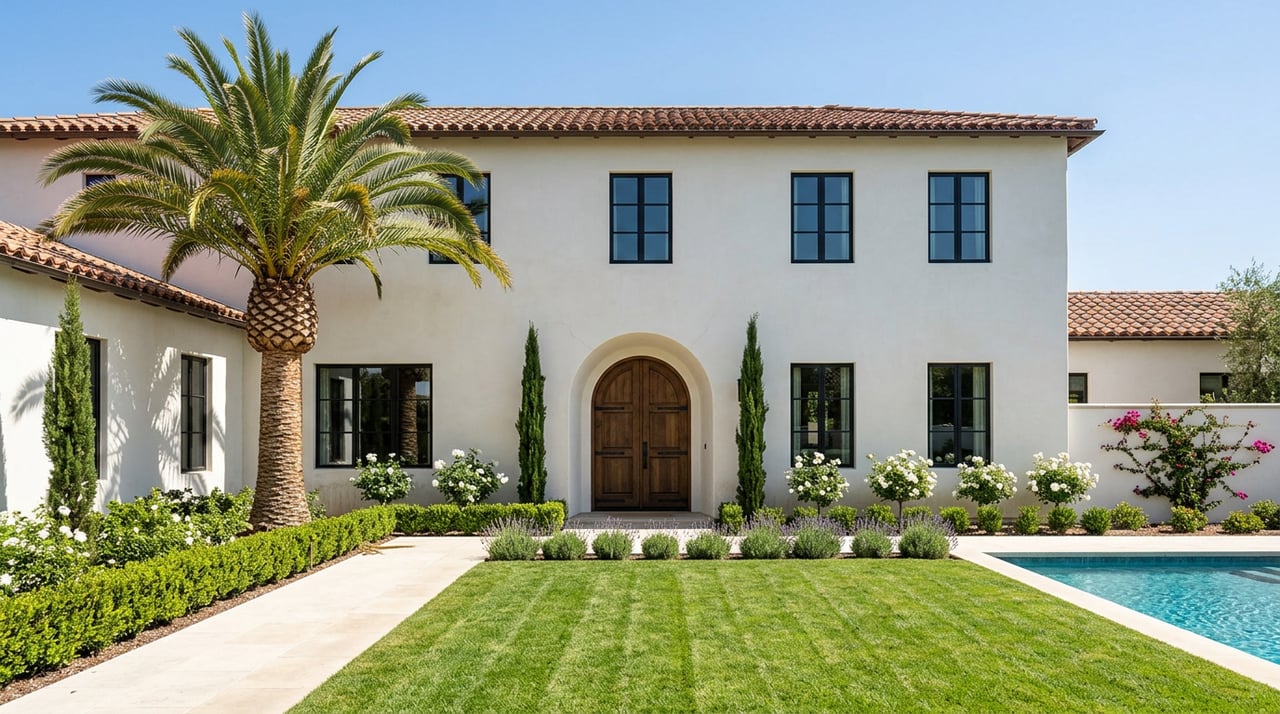
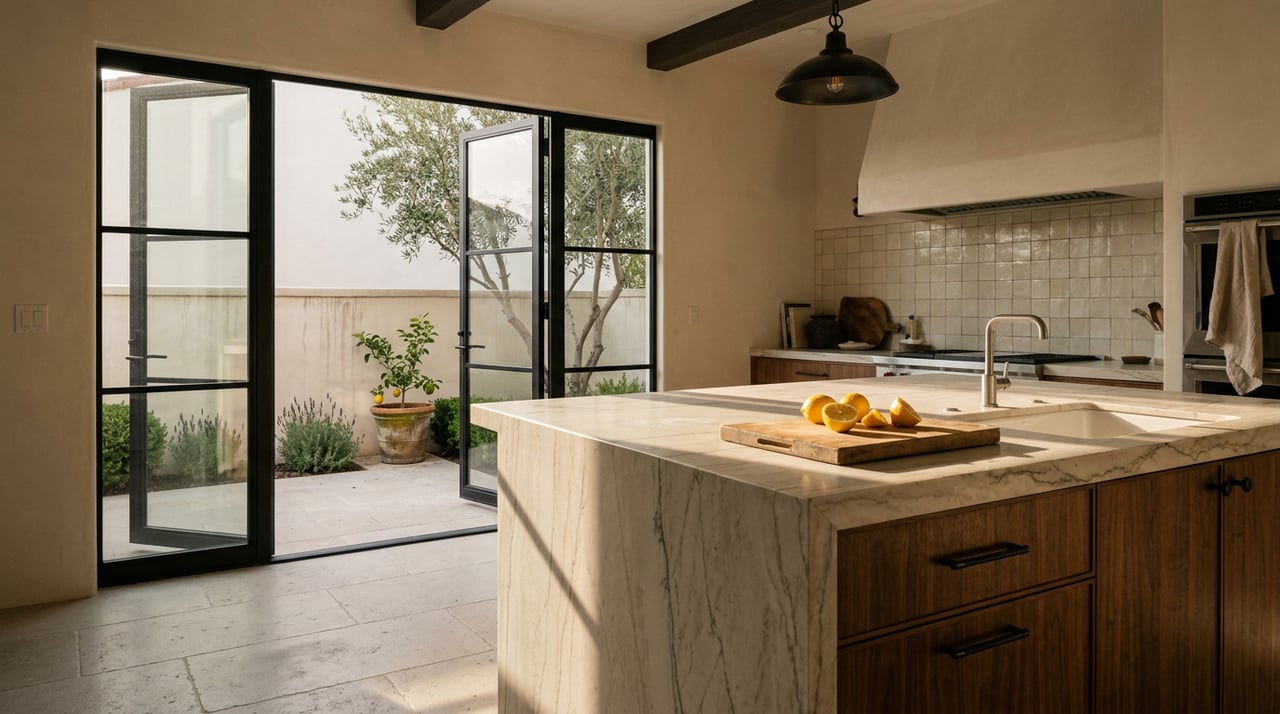
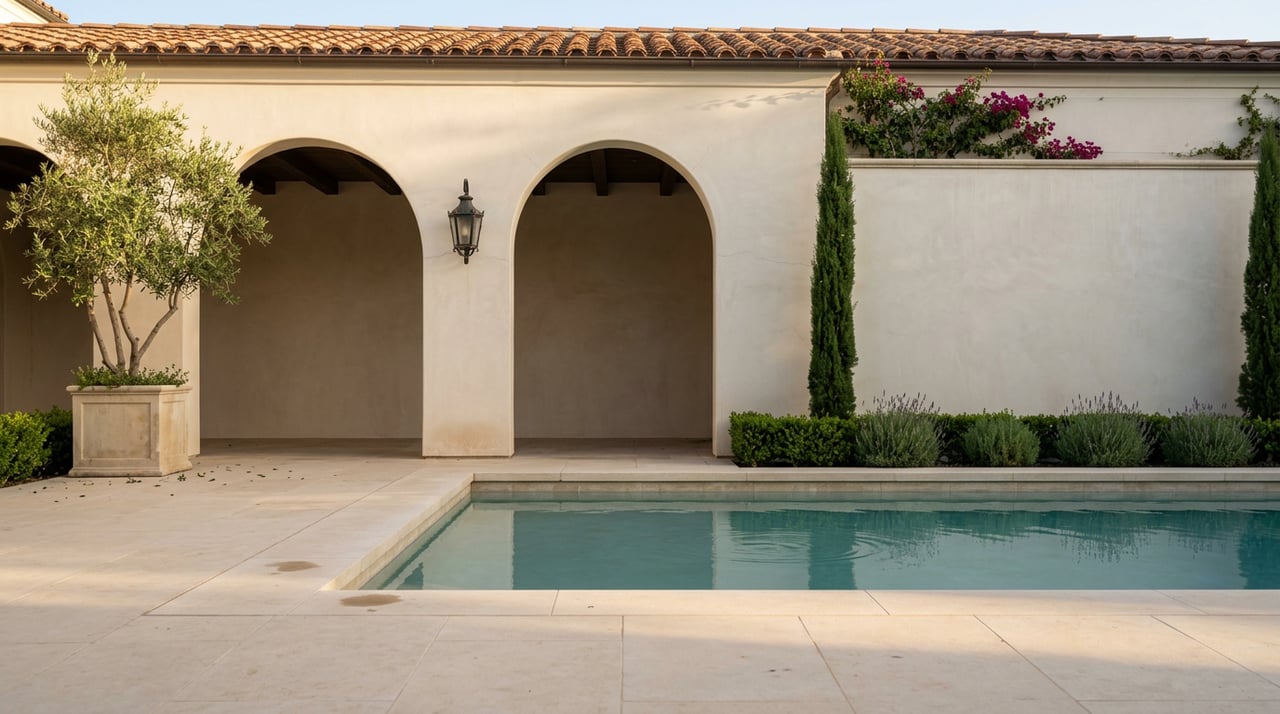
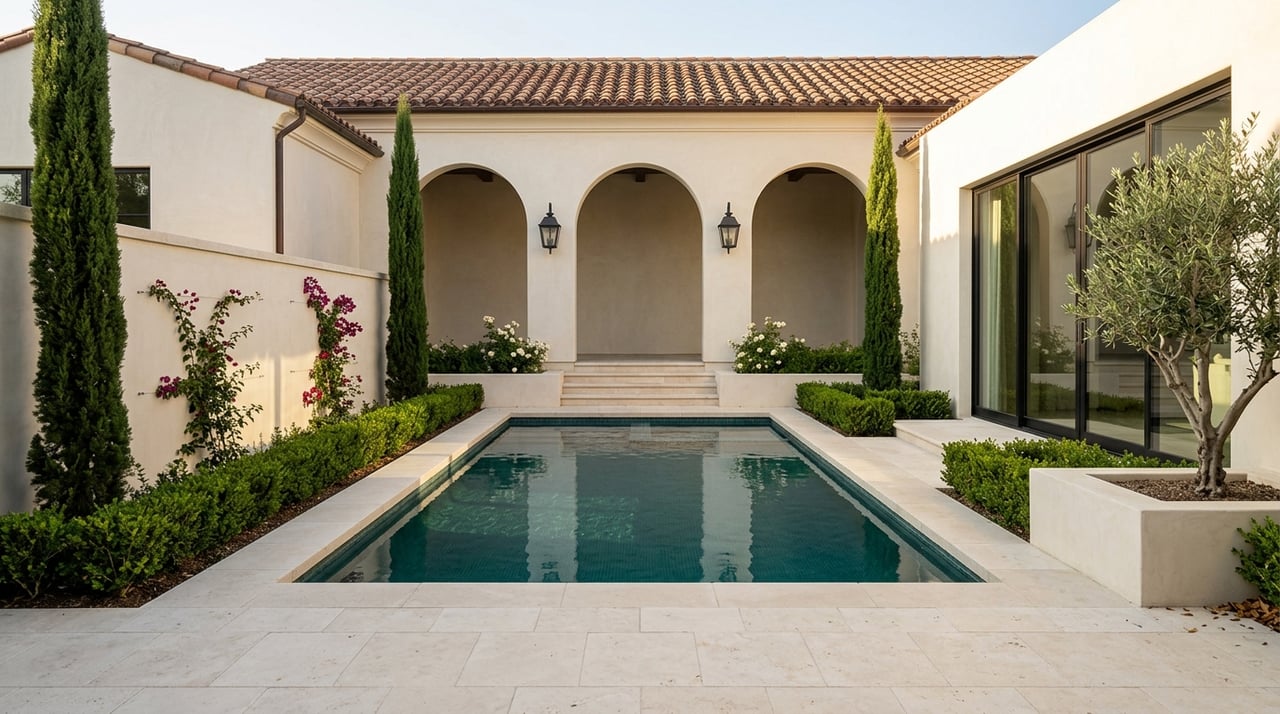
If there is a classic luxury language in coastal Orange County, this is it. Mediterranean and Spanish-influenced homes remain a defining part of Newport Beach, especially where hillside siting, terraced massing, and resort-like presentation come into play.
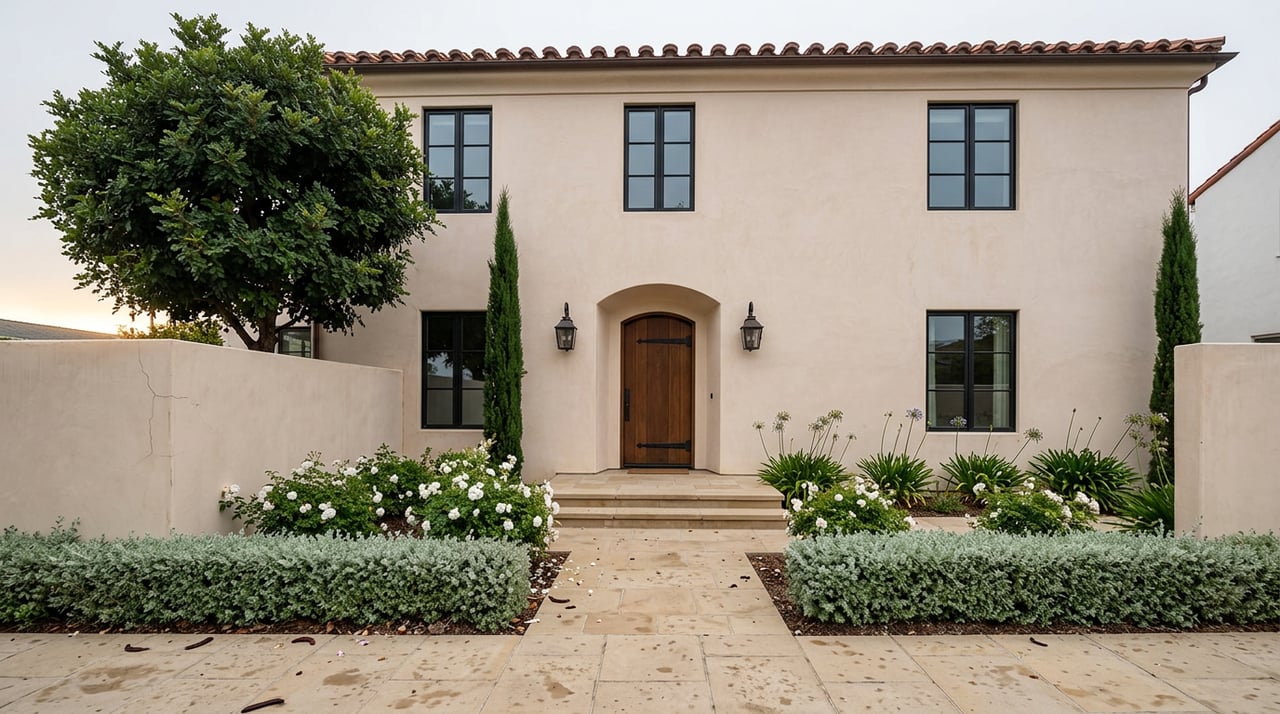
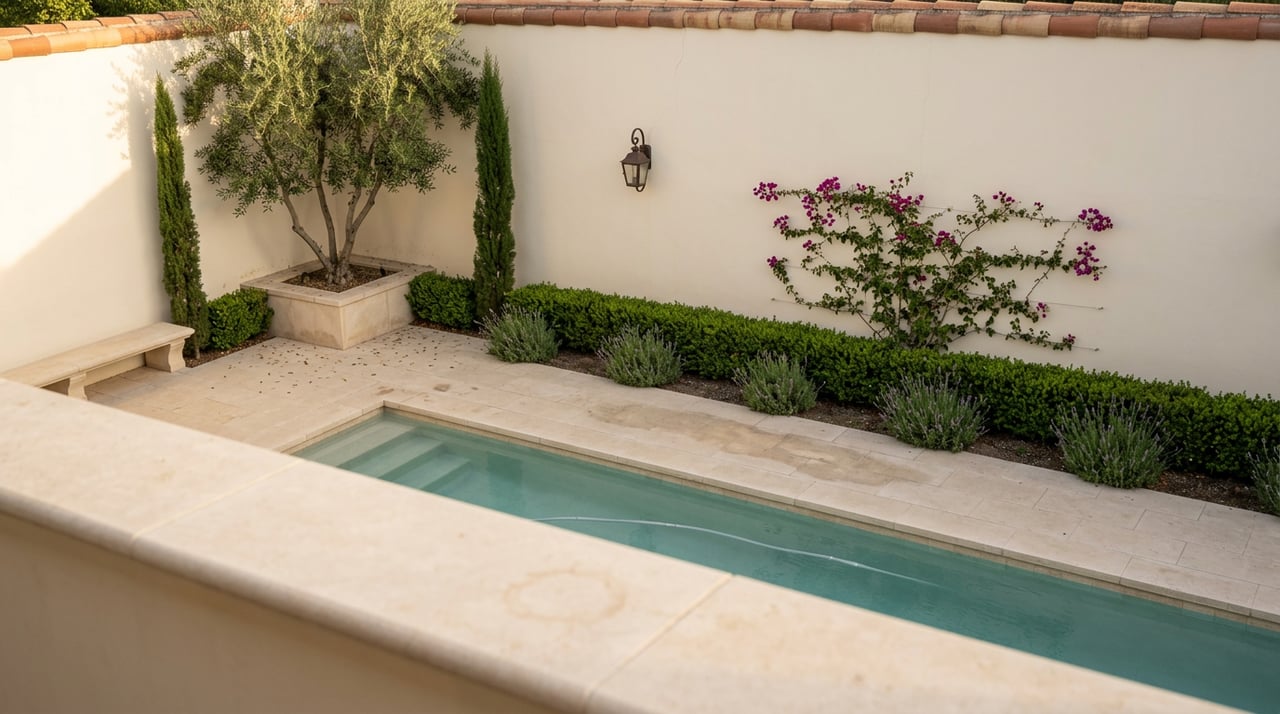
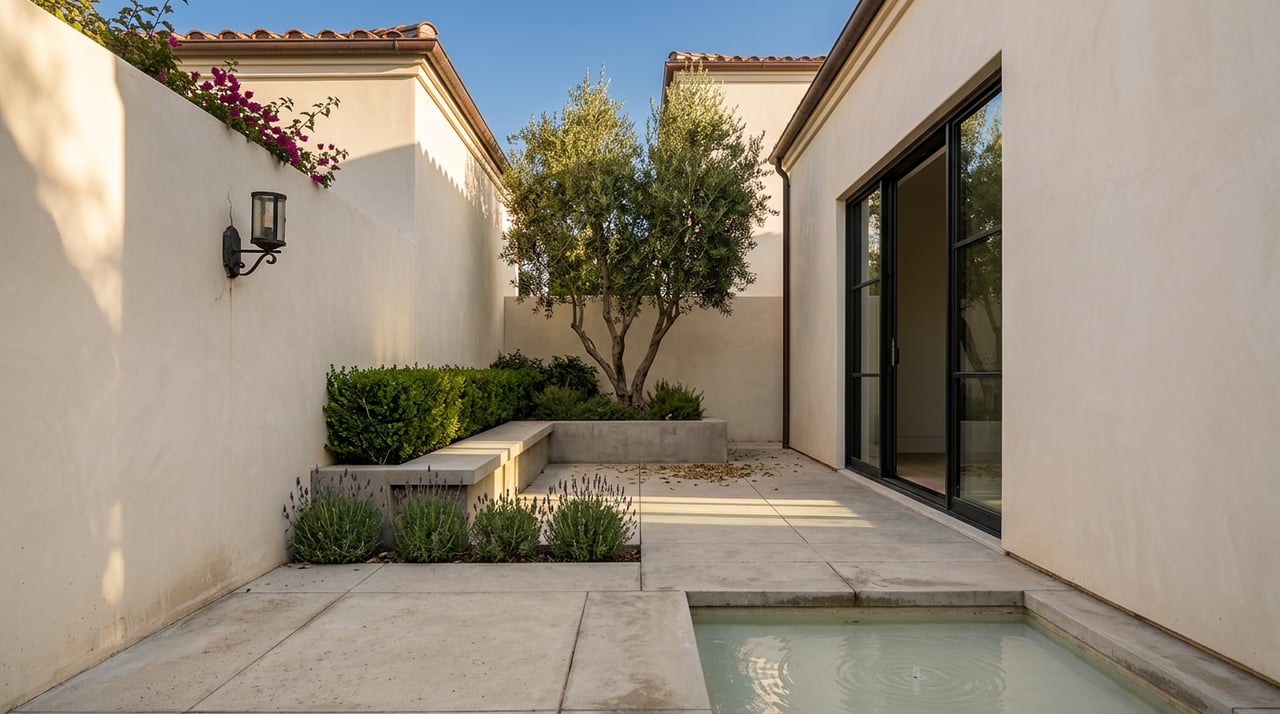
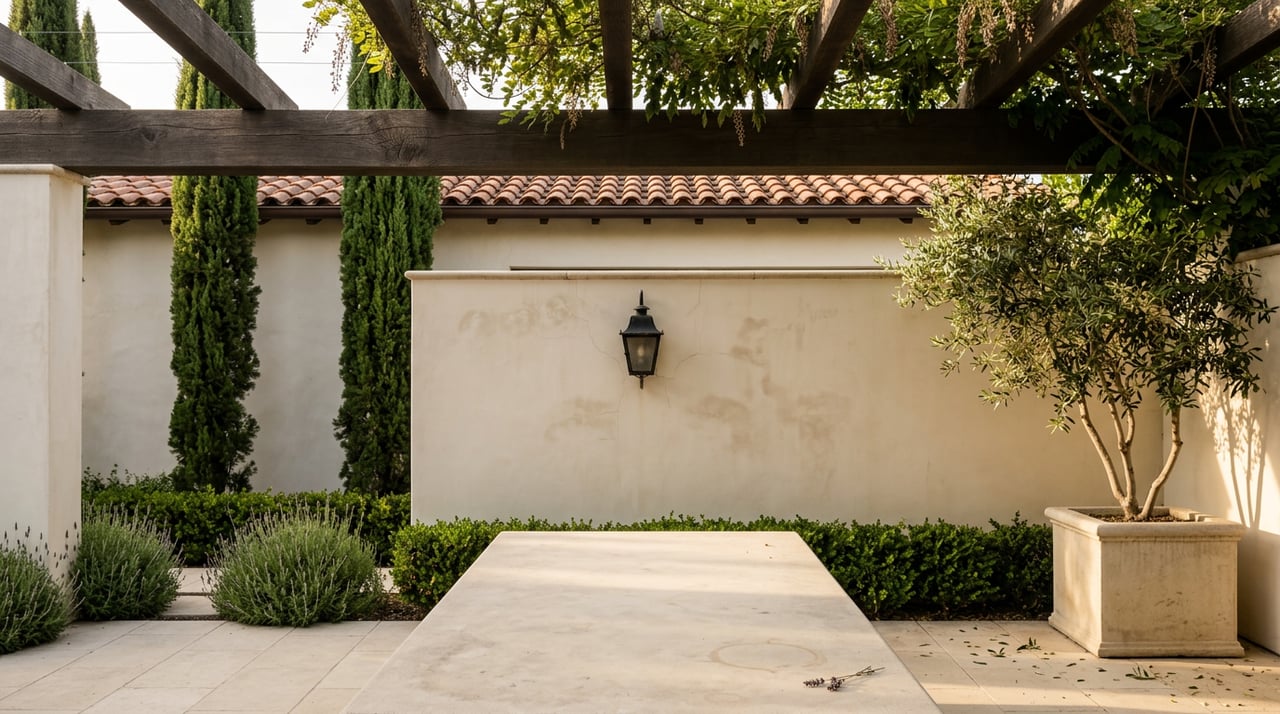
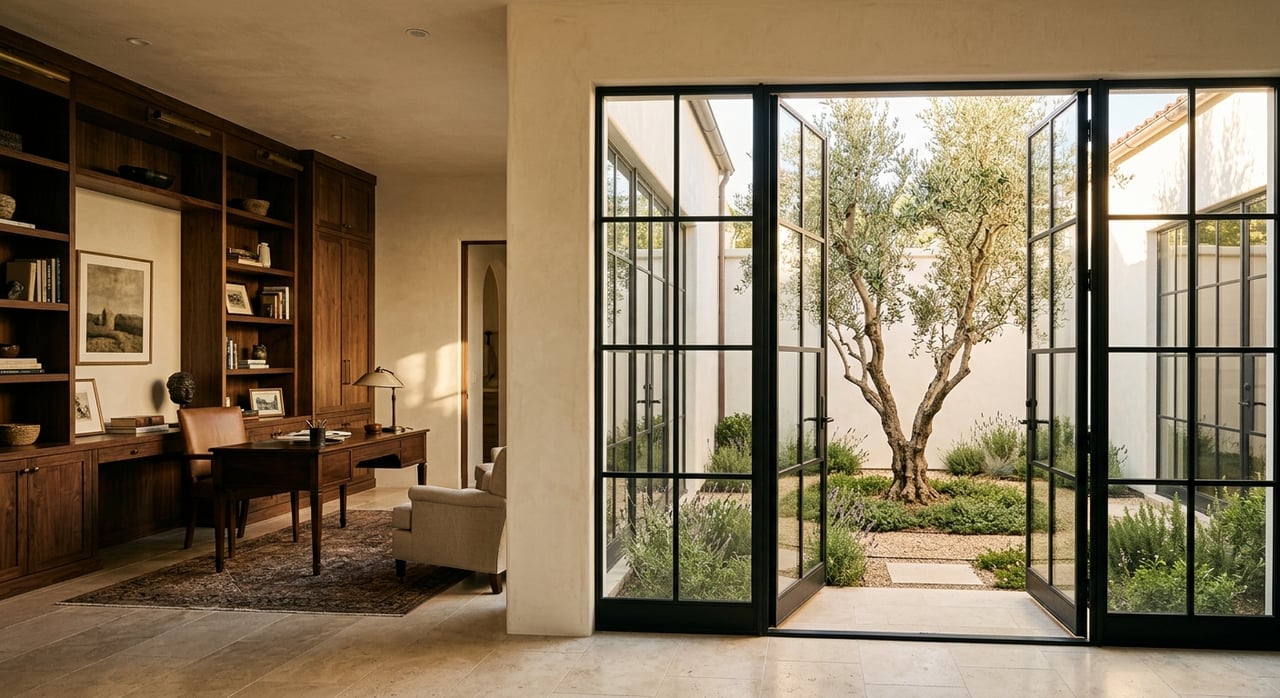
These homes tend to feel more layered than glass-heavy contemporary properties. You may see arched entries, balconies, courtyards, varied rooflines, and transitions between indoor and outdoor space that feel gradual rather than fully open. The result is often a home that feels private at the street and richly connected within.
Local planning language helps explain why this style works so well here. Newport Coast planning documents describe architectural character derived from Mediterranean hillside communities, with varied dimensions creating a terraced effect. That approach aligns well with Newport Beach priorities around view protection, massing, and outdoor living.
Mediterranean and Spanish-inspired homes often create a sense of arrival. Instead of revealing everything at once, they tend to unfold through courtyards, entry passages, balconies, and garden-facing rooms.
That can be a real advantage if you value privacy and layered outdoor space. Rather than one large wall of glass, the home may offer multiple smaller moments of light, airflow, and sheltered exterior rooms. In daily life, that creates a more enclosed and composed experience.
Newport Coast is the clearest place to connect this style with newer luxury housing. The hillsides, terraced lots, and resort-like massing all support Mediterranean and Spanish-influenced architecture in a way that feels regionally grounded.
Lido Village and nearby waterfront areas also add a coastal-nautical variation to this story. City documents for the area emphasize plazas, courtyards, promenades, and outdoor gathering spaces, which helps explain why architecture there often feels social, walkable, and entertaining-oriented.
Not every luxury home in Newport Beach is meant to be large or dramatic. Traditional beach cottages remain one of the area’s most distinctive architectural forms, and in the right setting, their charm is a major part of the appeal.
The City of Newport Beach specifically ties these cottages to old Corona del Mar, Balboa Island, and the Balboa Peninsula. These homes are typically one story with only a small second-story area above rear parking, and the city’s cottage preservation program is designed to maintain that original low-profile building envelope.
What makes this style special is its scale. Instead of emphasizing size, it emphasizes proportion, porch-oriented living, and a relaxed relationship to the street. For buyers who care more about charm, walkability, and classic coastal character than maximum square footage, cottages can offer a very compelling version of Newport Beach luxury.
Traditional cottages feel personal and approachable. Their lower rooflines and compact footprints often create a stronger connection to sidewalks, patios, and neighborhood life.
In a market known for trophy properties, that can be refreshing. These homes offer a different kind of prestige, one rooted in scarcity, local identity, and architectural character that is hard to replicate in new construction.
Modernist architecture is not the dominant style in Newport Beach today, but it remains an important part of the city’s design story. The city’s historical resources element identifies the Lovell Beach House on the Balboa Peninsula as the first pure International Style house built in America, and it also recognizes the Solar House on South Bay Front as a significant example of Modernist residential architecture.
These landmarks matter because they show that Newport Beach has long been a place for architectural experimentation. Even when today’s homes do not fully follow Modernist design, you can still see its influence in clean lines, minimal detailing, and the use of structure and glass to shape light and space.
For buyers and sellers, this heritage adds context. It helps explain why Newport Beach can support both historically rooted homes and bold custom residences with a more architectural point of view.
In Newport Beach, water access is not just an amenity. It is often part of the architecture itself. Bayfront and harbor-front homes may include docks, slips, piers, floats, terraces, and outdoor spaces designed around daily use of the harbor.
The city regulates these elements through Harbor Design Criteria and rules for piers and floats. That means a waterfront home’s design is often shaped as much by its dock configuration and shoreline relationship as by its interior layout.
For you as a buyer, this changes how a property lives. A patio, rooftop deck, and dock may function together as one connected living environment. For a seller, it means architectural value can extend beyond the home itself to the full waterfront experience.
If you are trying to connect architecture with location, this quick breakdown can help:
If you are buying in Newport Beach, understanding style helps you look beyond surface finishes. A contemporary home may prioritize openness and views, while a Mediterranean property may offer more privacy and layered outdoor rooms. A cottage may deliver a smaller footprint but a stronger sense of local character.
If you are selling, architectural style is part of your home’s market positioning. The right presentation should highlight not just design features, but also how the home lives day to day within its enclave. That is where thoughtful staging, design guidance, and a clear pricing strategy can make a meaningful difference.
In a market like Newport Beach, architecture is not just visual. It affects livability, buyer appeal, and how a home competes. When you understand the style language of your property, you can make smarter real estate decisions with more confidence.
If you are thinking about buying or selling a luxury home in Newport Beach, Lena Ghezel offers discreet, design-savvy guidance backed by local market knowledge, pricing expertise, and a high-touch approach tailored to coastal properties.
Stay up to date on the latest real estate trends.