Understanding Laguna Beach Ocean View Premiums
December 18, 2025
December 18, 2025
Why do two Laguna Beach homes just a few blocks apart have dramatically different prices, even if they look similar on paper? If you have wondered why one ocean view commands a premium while another does not, you are not alone. In a coastal market with limited land and high demand, view value depends on a mix of physical details and buyer perception. This guide shows you what truly drives ocean-view premiums in Laguna Beach so you can buy or sell with clarity. Let’s dive in.
A west or southwest orientation that frames sunsets generally carries the strongest emotional pull. You get warmer late-day light and a wide horizon, which feels expansive and rare. Side or north-facing angles that require you to “look for” the ocean usually trade lower. A direct, broad view beats a side or partial glimpse almost every time.
Elevation controls what you actually see. Close-to-sand locations can deliver dramatic surf and sound, yet nearby buildings or terrain may limit long-range horizon views. Mid and upper elevations create longer sightlines, often capturing coastline curves and distant islands for that “wow” effect. Even a small height advantage over neighboring roofs can deliver disproportionate value.
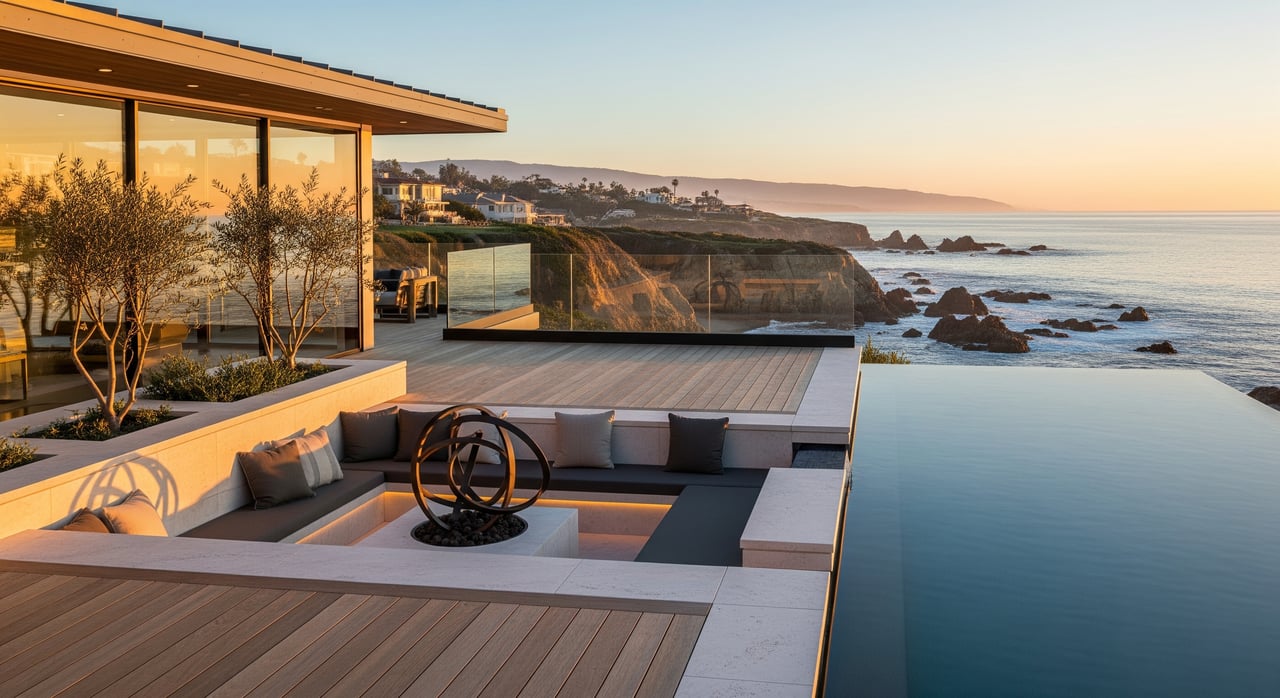
“Whitewater” is a specific premium in Laguna Beach because breaking waves are dynamic and eye-catching. A close, active surf line feels more energetic than a thin, distant wave ribbon. Horizon-only views are still valuable, but whitewater visibility often adds another layer of desirability. The more vivid the surf and shoreline activity, the more buyers are willing to pay.
An unobstructed foreground increases perceived permanence and peace. When terraces and main rooms look directly over the water without neighbors in the sightline, the view feels more private and exclusive. Visual privacy also matters. Buyers weigh whether adjacent homes can look into outdoor living areas, which can reduce the emotional value of the view.
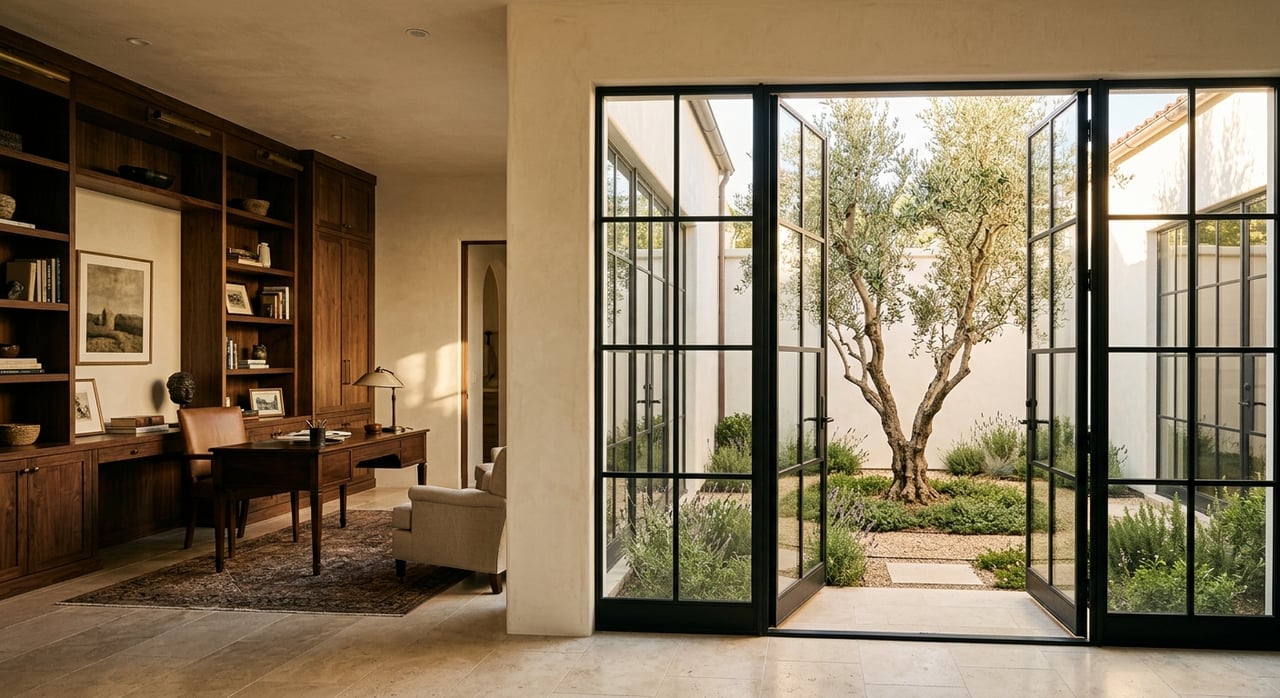
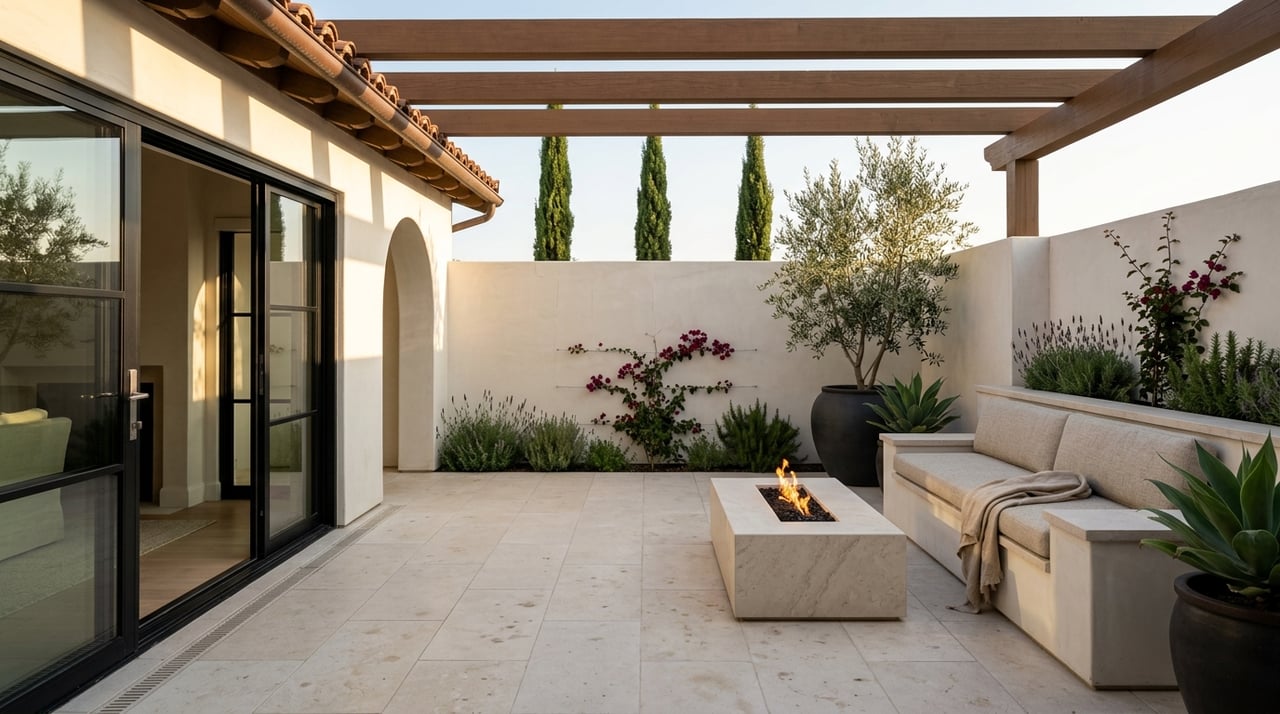
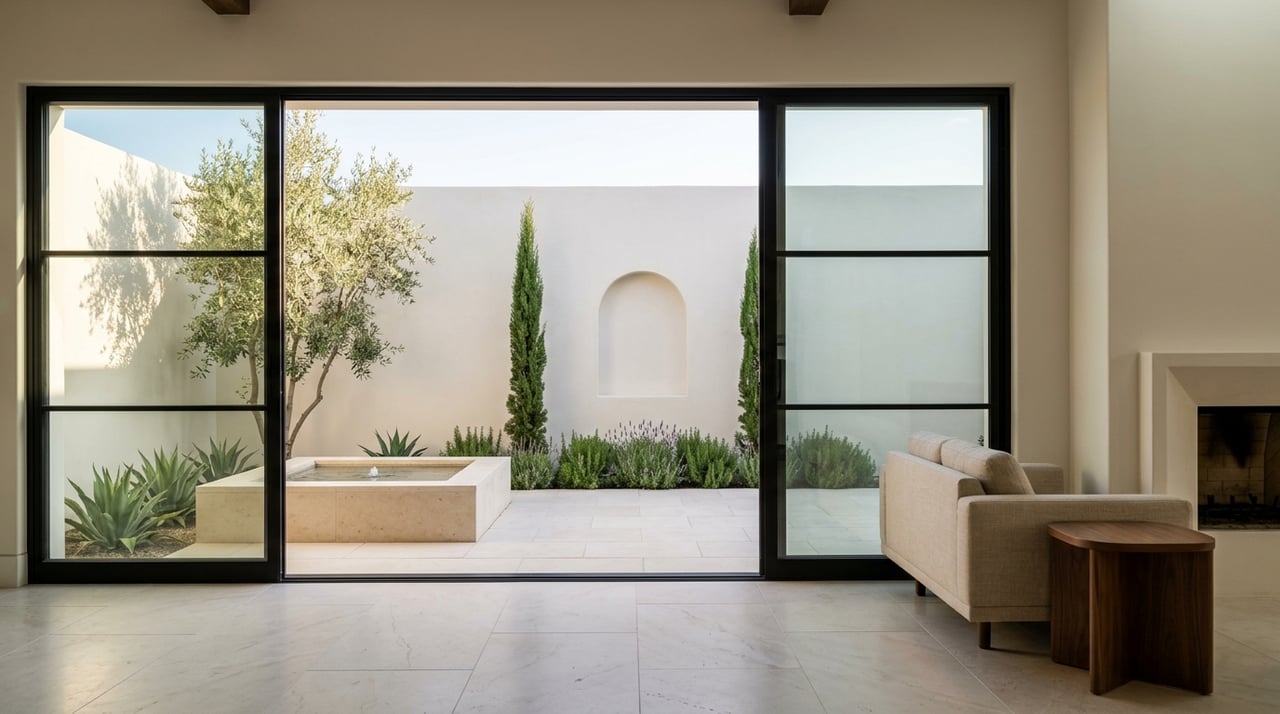
Great views should be usable, not just visible. Large glass sliders, floor-to-ceiling windows, open layouts, and glass railings amplify what you experience day to day. Smart design converts a view into a lifestyle: morning coffee on a sunlit terrace, sunset dinners in an open great room. If windows are small or rooms face away from the water, the effective value of a good view shrinks.
Micro-neighborhood features shape pricing too. Proximity to beach access points, stairs, or pathways increases convenience and desirability. Gated or lower-density enclaves can feel more exclusive, which increases scarcity and premium potential. Street dynamics matter as well. Parking pressure, tourist foot traffic, and local amenities can lift or lower the overall package.
Perceived permanence supports stronger premiums. Coastal erosion, bluff stability, and sea-level projections factor into long-term confidence, especially near bluff edges. Local zoning and coastal permitting influence future buildability around you. There is usually no automatic legal right to a preserved view unless a recorded view easement exists, so buyers and sellers should evaluate nearby permit histories and any planned development.
Appraisers and agents often use practical buckets such as panoramic ocean or horizon, ocean and coastline, ocean and whitewater, partial or peekaboo, and no view. Categorization helps align comparable sales. Small differences in orientation, elevation, and whitewater can move a home from one bucket to another, which can materially affect price.
The best comps match the same micro-neighborhood, elevation band, and exposure. Bluff-front lots, mid-slope streets, and high ridge locations behave differently even within the same zip code. Adjustments also account for architectural framing, deck space, glazing, and whether a second story adds or loses view. Non-view items like garages, HOAs, and lot size still matter, but the view variables usually lead.
There is no universal percentage for ocean-view premiums. In high-demand pockets of Laguna Beach within the Anaheim–Santa Ana–Irvine metro, top-tier views can command larger premiums than similar views in less scarce markets. The most unique combinations of orientation, elevation, and whitewater usually see the biggest uplifts. Smaller partial views may add modest value, while uninterrupted, private panoramas can move the needle much more.
MLS labels like “ocean view” or “partial ocean view” are subjective. Drone angles, twilight photography, and wide lenses can raise expectations, so it pays to verify sightlines in person from primary rooms and terraces. When comparing comps, give more weight to on-site feel, floor plans, and elevation notes than to a tag alone.
Coastal Development Permits and municipal setbacks can limit renovations that might improve a view. Insurability and exposure to hazards can also affect financing and demand. If there is no recorded view easement, future construction may change sightlines. Understanding what can or cannot be built nearby is a key part of valuation.
Use this checklist to verify what you are paying for:
Small improvements can pay off when they enhance what buyers feel in the space:
For sellers, price for the buyer most likely to value the experience. High-quality imagery, aerials, and on-site presentation can compress days on market by attracting emotional buyers quickly. For buyers, quantify risk by modeling potential obstruction, maintenance, and resale liquidity so your offer reflects the real view package. Because part of view value is subjective, strong staging and clear documentation can swing outcomes for both sides.
Coastal erosion awareness and sea-level planning are shaping how buyers view long-term stability, particularly for bluff-edge homes. Local permitting rules can indirectly protect sightlines by limiting certain development, yet modernization and second stories in mid-slope areas may still shift view dynamics over time. Broader market cycles and remote work trends also influence how much buyers are willing to pay for daily scenic access. Limited supply of true ocean-view lots can magnify premiums in strong markets and expose marginal views in softer periods.
Your goal is to understand which pieces of the view puzzle you are paying for and how permanent they are likely to be. With the right due diligence and presentation, you can capture the view you want or the premium your property deserves.
If you are weighing trade-offs between elevation, orientation, and design, or you want to position your home for top visibility, let’s talk. Request Your Home Valuation with Lena Ghezel.
Stay up to date on the latest real estate trends.